Working from home has become increasingly common, and having a dedicated, comfortable workspace is crucial for staying productive. Creating a home office that supports focus and efficiency can significantly improve your workday experience. Here are several tips to help you design a productive home office environment.
Choose the Right Location
Selecting the right spot for your home office is the first step toward productivity.
– Quiet and Low Traffic Areas: Aim for a space away from household noise and distractions. A spare room, a nook, or a quiet corner can work well.
– Natural Light: If possible, pick a location near a window to benefit from natural light. It helps reduce eye strain and enhances mood.
– Space for Equipment: Ensure there is enough room for your desk, chair, computer, and other tools you need regularly.
Invest in Comfortable and Ergonomic Furniture
Comfort and ergonomics are vital to maintaining focus and preventing strain during long working hours.
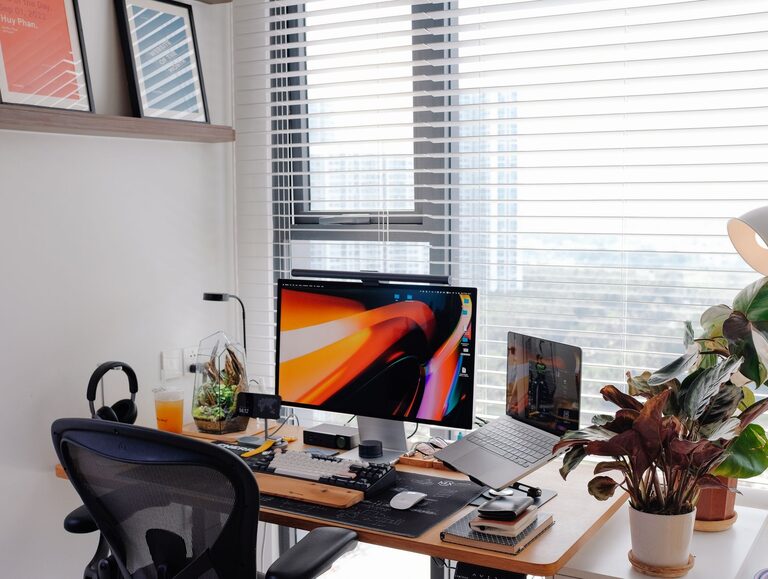
– Ergonomic Chair: Choose a chair that supports your back and promotes good posture. Adjustable features are a bonus.
– Proper Desk Height: Your desk should allow your arms to rest comfortably at a 90-degree angle while typing.
– Monitor Placement: Position your monitor at eye level and about an arm’s length away to avoid neck and eye discomfort.
Organize Your Workspace Effectively
A tidy office helps reduce stress and save time.
– Declutter Daily: Remove unnecessary items from your desk to keep your space neat.
– Storage Solutions: Use shelves, drawers, and organizers for files, stationery, and electronics.
– Cable Management: Tidy up wires with clips, boxes, or sleeves to prevent a messy look and accidents.
Optimize Lighting
Good lighting plays a big role in comfort and productivity.
– Combine Natural and Artificial Light: During the day, use natural light. Add adjustable desk lamps or overhead lights to supplement.
– Avoid Glare: Position your screen and light sources to reduce glare, which can cause headaches and eye strain.
– Use Warm Light: Warmer light tones help reduce eye fatigue and create a welcoming atmosphere.
Minimize Distractions
Reducing interruptions helps maintain a steady workflow.
– Set Boundaries: Communicate your work hours to family or roommates. Use signs if necessary.
– Use Noise-Cancelling Headphones: These can block out background noise and help you concentrate.
– Limit Phone and Social Media Use: Turn off non-essential notifications or establish time blocks for checking messages.
Personalize Your Space
Make your home office a place you enjoy being in.
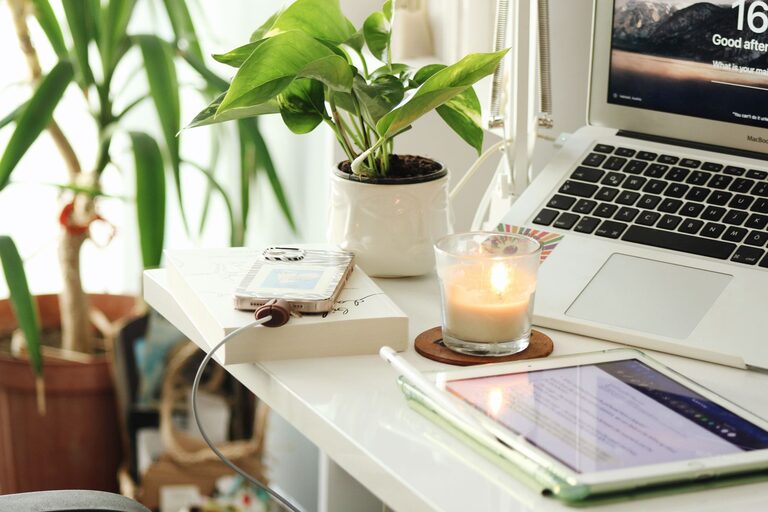
– Add Plants: Indoor plants can improve air quality and create a calming environment.
– Artwork and Decorations: Choose items that inspire or relax you without being distracting.
– Comfort Items: A cozy rug, cushions, or a favorite mug can make working more pleasant.
Maintain Good Air Quality and Temperature
Comfort extends beyond furniture and lighting.
– Ventilation: Ensure your workspace has adequate air circulation to keep you alert.
– Temperature Control: Use fans, heaters, or air conditioners to maintain a comfortable temperature.
– Fresh Air Breaks: Take short breaks to step outside or stretch, boosting energy and focus.
Establish a Routine and Designate Work Hours
Structure helps separate work life from personal time.
– Consistent Schedule: Try to start and finish work at the same time daily.
– Breaks and Movement: Schedule regular breaks to stretch, hydrate, or walk.
– End-of-Day Ritual: Create a routine marking the end of your workday, like shutting down your computer or organizing your desk.
Use Technology Wisely
Leverage tools to enhance productivity without becoming overwhelmed.
– Productivity Apps: Use calendars, to-do lists, or time management apps to stay organized.
– Reliable Internet: Ensure a stable, fast internet connection.
– Backup Plans: Have alternatives like offline work options or backup power solutions for disruptions.
Final Thoughts
Building a productive home office doesn’t require a complete overhaul. Small changes like improving lighting, organizing your desk, and setting boundaries can make a big difference. Tailor your space to fit your work style and comfort needs, and you’ll find it easier to focus and enjoy your work-from-home experience.
About the Author